Every travel brand knows the moment it wins a customer: the booking. It's where the marketing budget goes, where the conversion funnel ends, and where most of the relationship stops. A confirmation email, perhaps a reminder before departure, then silence.
But the booking is only the beginning of the trip. Travellers arrive, open their phones, and start deciding what to do with the hours ahead: where to eat, what to see, which tour to take, whether it's worth queuing for. Those decisions get made in apps the brand doesn't own, guided by recommendations it doesn't control, generating revenue it never sees.
We think that's about to change. Here's the case.
01The experience economy is travel's growth engine
Tours, activities and attractions are now travel's third-largest sector. Phocuswright and Arival put the global experiences market at $271 billion in 2025, ahead of pre-pandemic levels, and heading past $340 billion by 2029.1
It's also growing faster than travel itself. Experience bookings grew 17% in 2024, almost three times the rate of travel overall.2
Experiences are outgrowing travel
Bookings growth, 2024
Source: Arival & Phocuswright, Travel Experiences 2026
Travellers aren't buying one experience per trip, either. On their most recent trip, people who booked experiences did so between 3.5 and 4.7 times.2 Every trip is a sequence of small decisions, and each one is a chance to recommend, and to sell.
02And it's still the least digital part of the trip
Here's the paradox. Flights and hotels moved online years ago. Experiences didn't. Only 33% of experiences were booked online in 2025, compared with 64% of travel overall.1
Two-thirds of experiences are still booked offline
Share of bookings made online, 2025
Source: Phocuswright & Arival, The Outlook for Travel Experiences 2019–2029
Much of it happens in the moment. Nearly one in five travellers under 55, and 24% of those over 55, booked an experience as a walk-up on their most recent trip, a pattern Phocuswright describes as unique to experiences among travel sectors.2 The supply side is just as fragmented: more than 70% of operators are small or micro-businesses.2
The decision about what to do next is made on the street, on a phone, by whoever happens to be on the screen.
That's the opportunity. A huge, fast-growing market where decisions are made late, close to the moment, from a fragmented supply that no single player owns. Whoever is in the traveller's pocket at that moment has an outsized influence on where the money goes.
03The window opens at booking, not at arrival
There's a nuance worth being honest about. Travellers are also planning further ahead than they used to. Between 27% and 34% booked experiences in advance because they were worried about sell-outs, and Arival describes a clear shift towards planning before the trip.3
That doesn't weaken the argument; it sharpens it. The traveller's attention isn't only up for grabs on arrival. It starts the moment they book, with "what should we do there?", and runs right through to the last afternoon. The brand that's present across that whole window, before and during the trip, is the one that captures it. A confirmation email and a PDF can't do that. A companion can.
04Why the old tools don't work
Travel brands have tried to stay with their customers before. The tools just weren't good enough:
- The "things to do" page and the PDF guide are static, generic, usually in one language, and impossible to measure.
- The branded app is expensive to build and maintain, and it rarely gets opened between booking and check-out because it has nothing useful to say about the destination.
- The human concierge is brilliant, but it doesn't scale to every guest, every language and every hour of the day.
So travellers do the rational thing. They go to the general-purpose apps that are useful in the moment, and take their attention, and their spend, with them.
05Why now: AI makes a personal guide affordable
What's changed is the cost of being genuinely useful. Until recently, a personal guide for every traveller, in their language, at any hour, grounded in local knowledge, was a luxury. Today, AI makes it practical at scale:
- Content in minutes, not months. Audio walking tours can be written, voiced and translated into 30+ languages in an afternoon, then edited by your own team.
- A concierge that knows your brand. An AI guide grounded in your curated places, your products and your tone of voice, which says "I don't know" rather than inventing things.
- Context, not just content. Location, time of day and the traveller's interests turn a list of places into the right recommendation at the right moment.
That's what we mean by an AI Travel Companion: a personal guide to the destination, in your brand, from booking to the last day of the trip.
06What an AI Travel Companion does
07What happens when you do it
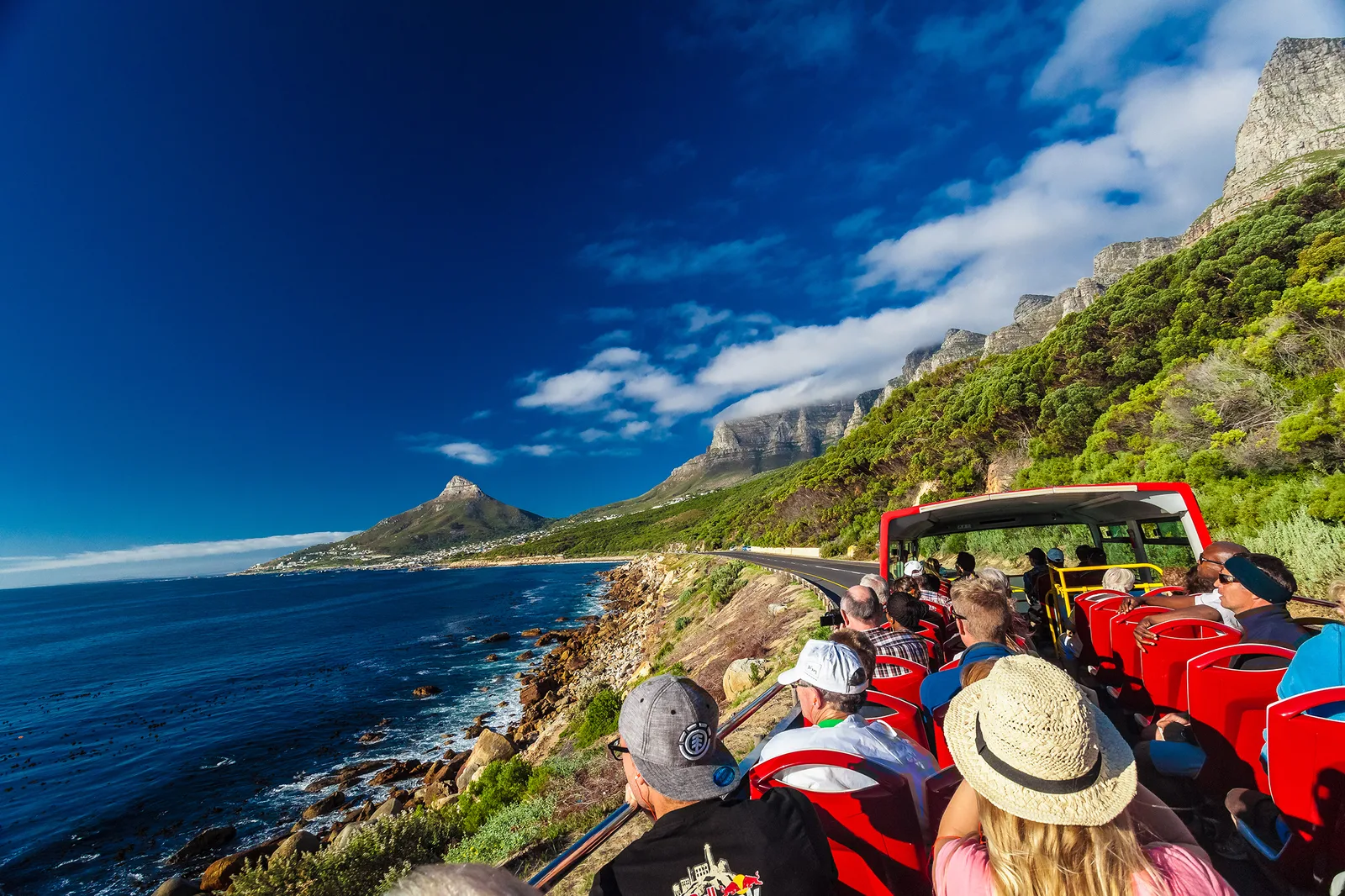
City Sightseeing, the world's largest hop-on hop-off operator, built an iWander AI Travel Companion into its own app, across a network that carries 13 million travellers a year in more than 100 destinations.
Case study · City Sightseeing
Engagement that turns into revenue
The pattern is what matters. When the guide is useful, travellers come back to it during the trip. When they come back, they discover more. When they discover more, the brand has a chance to recommend, and to sell.
08What it means across travel
09Three questions for your brand
- After a customer books with you, what do you give them that's genuinely useful before and during the trip?
- When they ask "what should we do today?", whose recommendation do they see, and who earns from it?
- What do you know about what your customers do, want and buy once they arrive?
If the honest answers are "not much", "someone else's" and "very little", you're leaving the most valuable part of the trip to others. It doesn't have to stay that way, and it no longer takes a year-long app project to change it.
Start in a day. Scale when you're ready.
Launch your own AI Travel Companion as a branded web app with no development, or build it into your app with our SDK.
Sources
- Phocuswright & Arival, The Outlook for Travel Experiences 2019–2029 (2026), via PhocusWire and Arival.
- Arival & Phocuswright, Travel Experiences 2026: Market Sizing, Operator and Consumer Behavior Highlights (July 2026), via Phocuswright.
- Arival & Phocuswright traveller survey (2026), via IndexBox; and Arival.
- City Sightseeing figures: iWander partner data. See the case study.